
IIC
Invisible in canal
Custom-made from an impression of your ear and worn deep in the canal, so it stays out of sight.
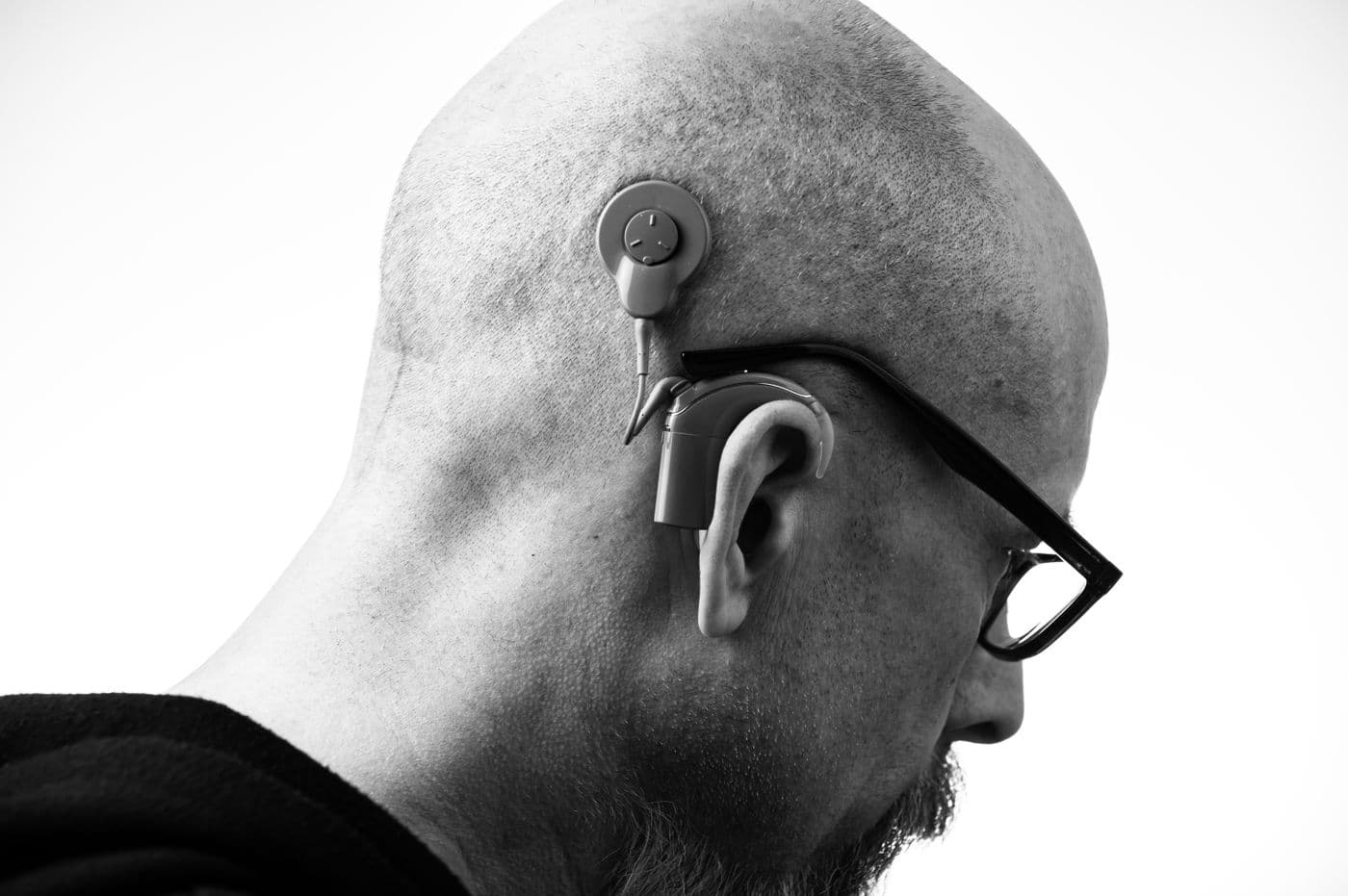
Hearing aids
We match technology to your hearing, your lifestyle and your budget — and every recommendation begins with a demo and a trial. No pressure, and no automatic prescriptions.
Demoed and trialled before you decide — every single time.
Types of hearing aids
Comfort, visibility and what you need to hear well all matter — and they pull in different directions. These are the formats we fit, and we'll talk through the trade-offs with you in person.
IIC
Custom-made from an impression of your ear and worn deep in the canal, so it stays out of sight.
RIC
The receiver sits inside the canal on a thin wire, while the main body rests discreetly behind the ear.
CIC
A custom shell that sits entirely within the canal, made to measure from an impression of your ear.
Rechargeable
Charged in their case instead of taking batteries — a format available across several of the styles shown here.
ITC
A slightly larger custom shell that fills the canal opening, with its faceplate where you can reach it.
BTE
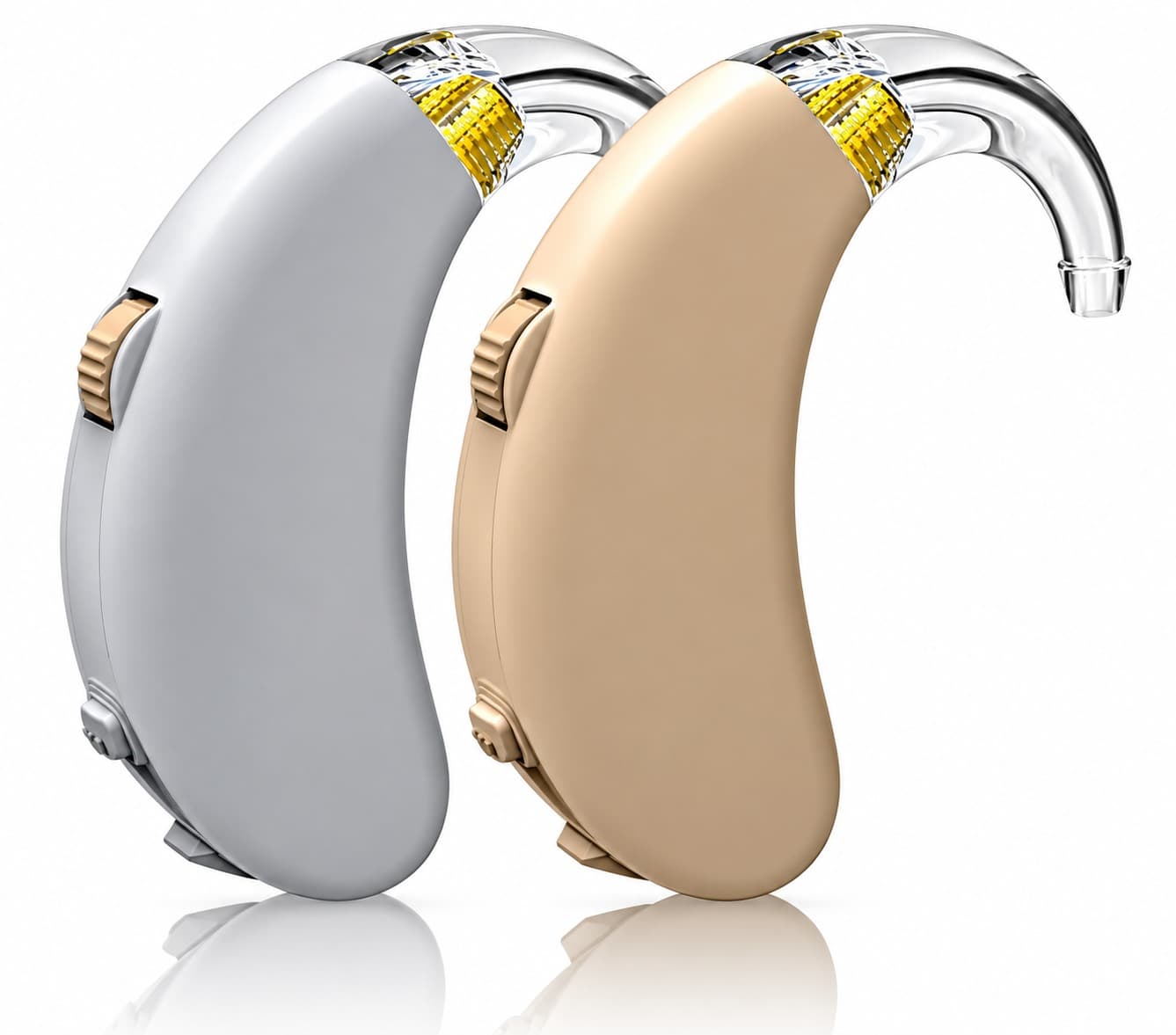
A small body rests behind the ear, joined by a tube to a custom earmould — the largest of the styles.
Several of the types above are available in a rechargeable version: the aids sit in their case to charge, so there are no batteries to change. Ask us which formats offer it for your hearing before you decide — we'll show you both.
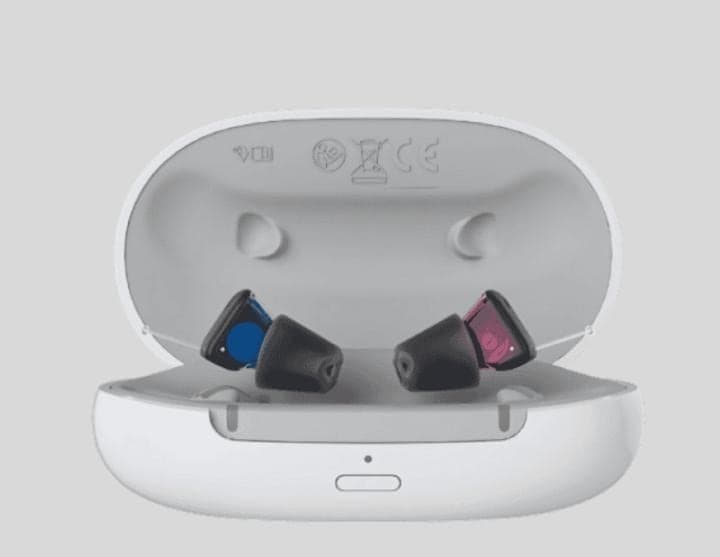
Which of these we recommend depends on your hearing test, the shape of your ear canal and how comfortable you are handling a small control — never on what happens to be in stock.
Everyday life
These are the everyday situations hearing aids are fitted to help with. Which of them apply to you is what a hearing assessment answers — and if aids are unlikely to help, we will tell you that too.
Hear conversations more clearly
Communicate more comfortably
Follow phone conversations better
More comfort while watching TV
Stay engaged in social gatherings
Greater safety while driving or walking
Feel more confident in everyday life
Not everyone who struggles to hear needs a hearing aid. Your hearing test tells you which of these situations yours is — and that honest answer is part of the appointment, not a sales pitch.
Book a Hearing TestCatalogue
We don't publish specifications, models or prices we can't stand behind — everything about your options is confirmed face to face.
We work with several manufacturers and technology levels, and we fit what suits you — not what happens to be in stock. Your options, specifications and costs are explained in person, after we've tested your hearing and understood your daily life.
Hearing aids
Modern devices are smaller and more automatic than most people expect — but the device is only half of it. What makes them work is how precisely they are programmed to your hearing and the places you actually struggle.
Stock footage of a close-up of an ear. It shows no specific product, and devices are never recommended online — suitability is decided after your hearing assessment.
This clip is illustrative and carries no information you need from it — everything explained on this page is in the text above.
How fitting works
A hearing test and a conversation about the situations you find difficult.
Options matched to your hearing and lifestyle — never an automatic prescription.
Try devices in real situations before deciding anything.
Programmed precisely to your hearing, and verified with you.
Follow-ups, servicing and support for the life of your device.
A hearing test first, then an honest conversation about whether hearing aids would help — and what they'd involve.
Looking for hearing tests instead? Read about our hearing tests.